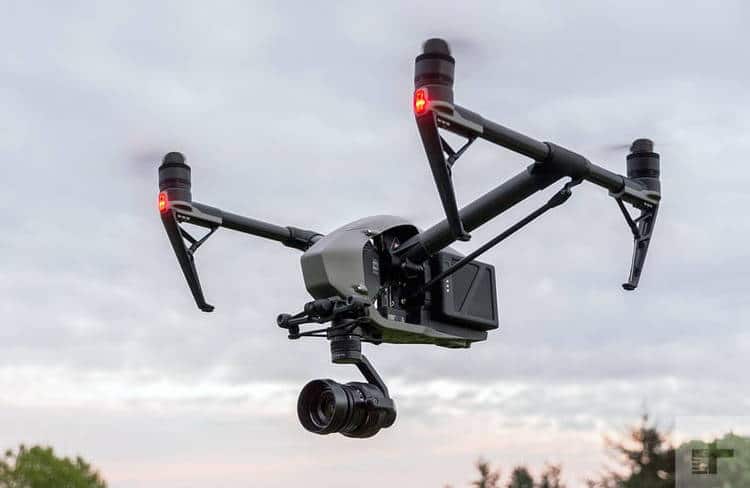
In the rapidly evolving world of aerial technology, drones, or Unmanned Aerial Vehicles (UAVs), have best budget drone with 4k camera emerged as versatile tools for a multitude of industries. From agriculture and surveillance to delivery services and entertainment, these unmanned aircraft are reshaping how tasks are performed, often in environments where human presence is impractical or dangerous. Central to their effectiveness is an understanding of drone payload—what they can carry and how this capacity influences their operational capabilities. This comprehensive guide will explore the essentials of drone payloads, including key terms, factors affecting capacity, and the various payload types and applications that define the landscape of drone technology today.
What is a Drone or UAV?
A drone, also known as an Unmanned Aerial Vehicle (UAV), is an aircraft that operates without a human pilot on board. Drones are remotely controlled or can fly autonomously through software-controlled flight plans in conjunction with onboard sensors and GPS. They are used across various sectors, including agriculture, surveillance, delivery services, and entertainment, due to their ability to perform tasks that are either too dangerous or impractical for human operators.
What’s the Max Takeoff Weight of a Drone?
The Maximum Takeoff Weight (MTOW) of a drone refers to the maximum weight at which the drone is certified to take off. This includes the drone’s weight itself, along with any payload it carries, such as cameras, sensors, or other equipment. The MTOW is crucial for safety and performance, as it directly impacts the drone’s flight capability, stability, and battery life. Each drone model has a specified MTOW, which is often listed in its technical specifications.
What’s the Payload of a Drone?
The payload of a drone is the total weight of the equipment and cargo it can carry in addition to its own weight. This can include cameras, sensors, delivery packages, or any other tools necessary for a specific application. Understanding a drone’s payload capacity is vital for ensuring it can effectively complete its intended missions without exceeding the weight limitations. The key difference between the MTOW and payload is that MTOW includes the total weight of the drone plus its payload, while payload refers only to the weight of the cargo or equipment carried. For instance, if a drone has an MTOW of 10 kg and weighs 4 kg itself, it can carry a payload of 6 kg.
Payload of a Drone
How Much Weight Can a Drone Carry?
The amount of weight a drone can carry varies widely based on its design and specifications. For example:
Consumer Drones: These typically have a payload capacity ranging from 0.5 to 5 kg (1 to 11 lbs).
Commercial Drones: Medium-sized drones may carry payloads between 5 to 25 kg (11 to 55 lbs).
Heavy Lift Drones: These specialized drones can carry 25 kg (55 lbs) or more and are often used for applications such as aerial photography, industrial inspections, and medical supply deliveries.
Always refer to the manufacturer’s specifications to understand the exact payload capacity of a particular drone model.
Key Factors Affecting Payload Capacity
Drone Design and Structure
Frame Material: The materials used in the drone’s construction (e.g., carbon fiber, plastic, aluminum) affect its weight and strength. Lighter, stronger materials allow for higher payload capacities. Frame Size: Larger frames can generally accommodate more powerful motors and larger batteries, supporting greater payloads.
Motor Power and Efficiency
Motor Type: The power and efficiency of the motors determine how much weight the drone can lift. More powerful motors can handle heavier payloads but may also consume more battery power. Number of Motors: Drones with more motors (e.g., octocopters) can distribute weight more effectively, enhancing lift capacity.
Battery Capacity
Battery Weight: The weight of the battery affects the overall payload capacity. Heavier batteries can reduce the amount of weight available for the payload. Energy Density: Higher energy density batteries can provide more power without significantly increasing weight, improving lift capacity.
Flight Control System
Stability and Control Algorithms: Advanced flight control systems can help manage heavier payloads by optimizing stability and maneuverability during flight, allowing the drone to carry more weight safely.
Aerodynamics
Design Shape: A drone’s aerodynamic design influences how efficiently it can fly with a given payload. A well-designed drone can reduce drag, allowing it to carry heavier loads more easily. Propeller Size and Pitch: Larger and more efficient propellers can generate more lift, increasing payload capacity. The pitch of the propellers also affects lift and efficiency.
Environmental Conditions
Altitude: Drones operating at higher altitudes may have reduced air density, affecting lift capacity. As altitude increases, a drone may need to reduce its payload to maintain stable flight. Weather: Wind speed, temperature, and humidity can also impact flight performance. Adverse conditions may require a reduction in payload for safe operation.
 Site Title
Leave a comment